Expedition 2026
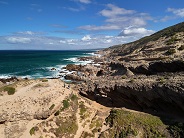
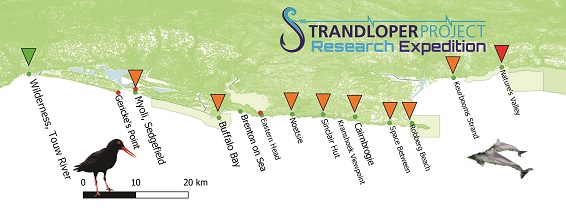
Our 2026 expedition will mirror our 2020 expedition, this time starting in Wilderness and finishing in Nature's Valley.

Expedition Team and Logistics
This year we will have a team of 6 hikers and a backup team.
The expedition will be between the 6th and 16th October with 9 days of hiking and plans for a bad weather off day.
.
Expedition Objectives
The goal for our second series of expeditions is to get a comparison of the ocean plastic waste and fishing debris along the shoreline that we have already surveyed. To capture geo referenced data, we used a combination of survey methods in the CyberTracker app.

Expedition Survey Methods
Trashy20 Survey
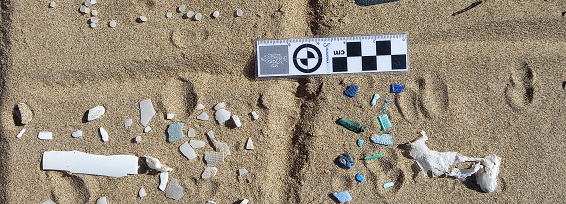
Conducted every 5km, this survey entails collecting and categorizing all plastic waster and fishing debris in three 10m x 2m transects.
Mini Transects
A total count of micro plastics, nurdles and plastic bottle tops along a random transect of between 1m and 10m.
Bottle Transect
A total count of plastic bottles over a measured distance.
Incidental Survey
Documentation of plastic waste and fishing debris not included in structured surveys.
Marine Fauna Surveys
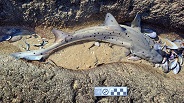
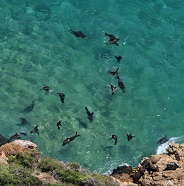
Documenting the number and status of marine fauna seen. Details of injury and possible cause of death are also recorded, especially plastic ingestion, entanglement and ghost fishing.
Records of Indian Ocean Humpback Dolphins and Southern Right Whales will be of special interest.

African Black Oystercatcher Survey
Our 2020 survey demonstrated that the highest density of African Black Oystercatchers between Pringle bay and Cape Recife are on the intertidal shelves around Gericke's Point and in the Goukamma MPA. Subsequent surveys of this species has shown a plateau in the population density is some areas and a moderate increase along other sections of coastline. This years expedition will offer insights into the stability of the population and the impact of climate change and the increase in human population.
Sighting records from our expeditions from 2020 through to 2025 have provided valuable data for African Black Oystercatchers which have allowed some insights into factors influencing the variations of African Black Oystercatcher population density in the Southern Cape, which are available from this link : Read Here
Meet the Team
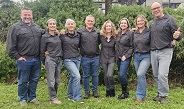
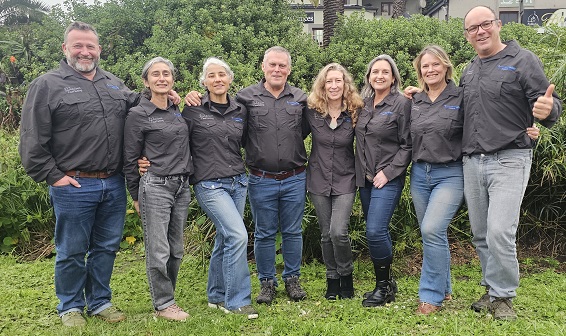
This year the team will be Jonathon Britton, Helia van Zyl, Lisa de Speville, Mark Dixon, Liz Bazin, Mandy Pelser, Rose Bolbrough and Chris Leggatt.
Cape Clawless Otter Survey
In our first series, this section of shoreline had the second highest number of otter sighting records and it will interesting to get an updated survey of this species six years later..

Special Focus
In may and June 2026, the Western and Eastern Cape coastline experienced catastrophic floods and ocean storms resulting devastating shoreline erosion and we will include surveys to record sections of shoreline that were affected. In addition, we will document debris that was flushed out by the floods, such as trees, infrastructure and anything unusual.

.
Support and Sponsorship
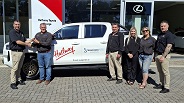
The success of each of the Strandloper Project is entirely dependent on a phenomenal team of volunteers and sponsors. Our core requirements for each expedition are accommodation, fuel, catering and apparel, especially all weather protection. Our core requirements for accommodation are in Knysna and Plettenberg Bay. A format that we have found to work well is for our team to stay in a venue for between 2 and 3 days.
Contact our volunteer team by email to find out how you or your company can support Strandloper Project on their valuable citizen science research expedition. |